The Science of Human Motion: A Guide to Gait Analysis

Dr. Mayuri Gad
Biomechanist & Physiotherapist
Walking is often viewed as a simple activity. Yet, behind every step is a complex interplay of the central nervous system, muscle contractions, and skeletal leverage. For athletes and patients alike, understanding your gait is the key to unlocking better health.
What is Gait Analysis?
Gait analysis is the systematic study of human locomotion. By observing and measuring the way a person walks or runs, specialists can identify mechanical imbalances, inefficiencies in force propagation, and potential causes of injury.
Phases of the Gait Cycle
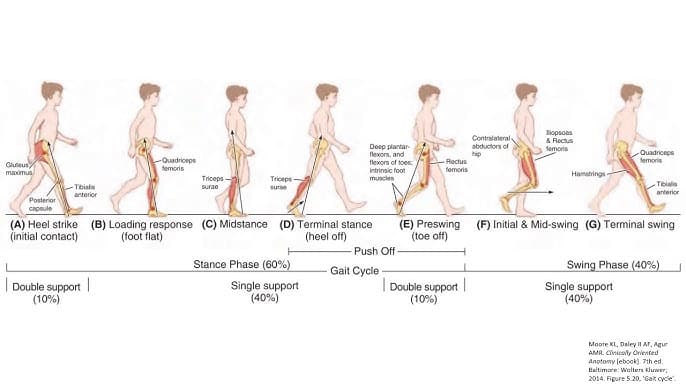
The gait cycle represents the sequence of movements that occur from the initial contact of one heel to the subsequent contact of that same heel. It is primarily divided into two main components: the Stance Phase (accounting for 60% of the cycle, where the foot is in contact with the ground) and the Swing Phase (accounting for 40% of the cycle, where the limb is swung forward).
Methods of Analysis
Movement professionals utilize two primary approaches to dissect locomotion patterns, depending on the availability of laboratory equipment and the precision required:
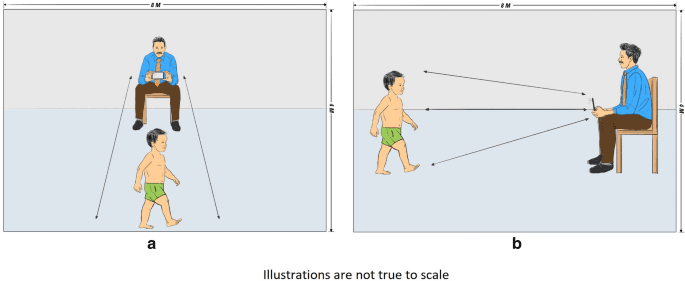
1. Observational Analysis
A clinician visually evaluates the patient's movement in real-time or via video playback. This method aims to find immediate kinematic 'red flags' like dropped hips, pelvic tilt, or excessive inward foot rolling (pronation).
2. Instrumental Analysis
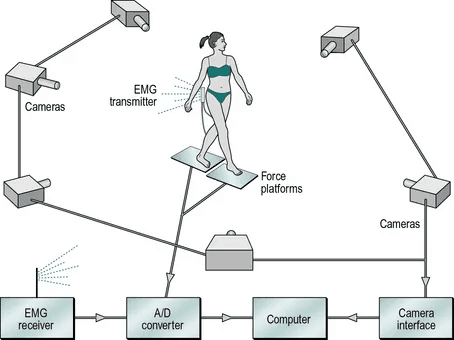
Utilizes sophisticated technology such as optoelectronic multi-camera systems, dynamic pressure-sensing mats, and force plates. This allows clinicians to collect objective kinetic and kinematic data.
Why is Gait Analysis Important?
Injury Prevention
Locates biomechanical abnormalities and micro-traumas before they manifest as severe overuse injuries, such as stress fractures, tendinitis, or shin splints. By addressing the root mechanical cause rather than just treating the symptom, patients stay pain-free.
Enhancing Athletic Performance
Minimizes energy leakage and muscle compensation patterns in competitive athletes. Proper alignment ensures that muscle output is efficiently translated directly into forward propulsion and strength.
Key Gait Metrics
Gait labs measure various mechanical properties. Here are three primary metrics evaluated during a standard run or walk analysis:
| Metric | Description | Significance |
|---|---|---|
| Cadence | Steps taken per minute. | Affects joint impact forces. |
| Pronation | The natural inward rolling motion of the foot upon landing. | Linked to ankle & knee stability. |
| Vertical Oscillation | The amount of vertical 'bounce' or displacement in a person's stride. | Key metric for running efficiency. |
Conclusion
Gait analysis turns the mystery of human movement into a concrete science. Whether you are aiming for post-surgical recovery, chronic pain mitigation, or athletic performance enhancement, understanding your gait provides the objective data required for long-term mobility.